
Foco, agilidade e um oceano de possibilidades. O surf, mais do que um esporte de…
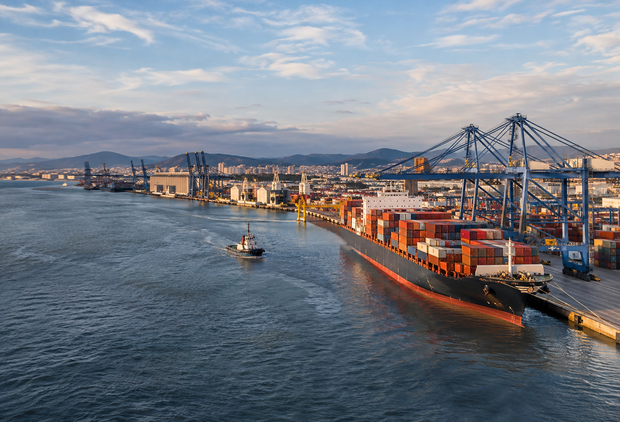
Port of Santos: Growth Requires Infrastructure Beyond the Terminals
The Port of Santos closed 2025 with a record cargo throughput of 186.4 million tonnes, representing a 3.6% increase compared to the previous year.
This result highlights the importance of the port complex to the Brazilian economy and international trade.
However, growth also raises an important question: Are we expanding access infrastructure at the same pace as operational capacity?
This issue was among the topics discussed during the São Paulo stage of ENIP 2026.
A port does not operate in isolation.
Its efficiency depends on highways, railways, terminals, warehouses, information systems, customs inspections, workforce availability, and integration with surrounding cities.
There is little benefit in expanding container handling capacity if land transportation infrastructure cannot keep up with that growth.
The result may be increased truck traffic, congestion, delays, and higher costs throughout the supply chain.
Projects such as Tecon Santos 10 and the Santos–Guarujá Tunnel are part of the planned transformations for the region, although they address different needs.
Expanding port capacity must go hand in hand with solutions for land access, urban mobility, and the management of logistics flows.
Another key factor is productivity.
Improving scheduling, gate operations, loading, and unloading processes can help reduce waiting times and make better use of existing infrastructure.
We also need to strengthen rail integration and explore coastal shipping opportunities, taking into account the specific characteristics of each cargo type and route.
For importers and exporters, these factors directly affect the final cost of operations.
Ocean freight is only one part of the equation.
Transportation delays, additional storage costs, equipment shortages, and scheduling challenges can undermine the competitiveness of an operation.
The growth of the Port of Santos is important for Brazil.
The next challenge is ensuring that this growth translates into greater efficiency for businesses that produce, import, and export, as well as for the people who live in the region.

Outros artigos


This Post Has 0 Comments